Description
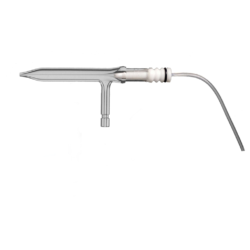
Concentric Nebulizer High-Solids 1mL/min 30psi 500-64QDAC
Part Number:
PG500-64QDAC
Cross Reference(s)
Agilent / Varian: G8010-60255 or 2010096400
Glass Expansion: ARG-07-USS2
PerkinElmer: N0775345
Thermo: 842312051331
Thermo TJA: 14186300
Instrument Compatibility:
PerkinElmer Optima 2000, 3000XL
PerkinElmer Optima 4×00, 5×00, 7×00, 8×00 series
PerkinElmer Avio 200, 500 spectrometers
PerkinElmer ELAN 5000, 6×00, 9000, DRC
PerkinElmer NexION 300, 350
Agilent 5100, 5110, 5800, 5900 models
Agilent 700 Series
Agilent Vista Series ICP-OES instruments
Thermo Scientific iCAP 6000 Series Spectrometers
Thermo Fisher / TJA systems TJA 61E Trace, Iris AP
Thermo Fisher Intrepid, Intrepid II series
Detail:
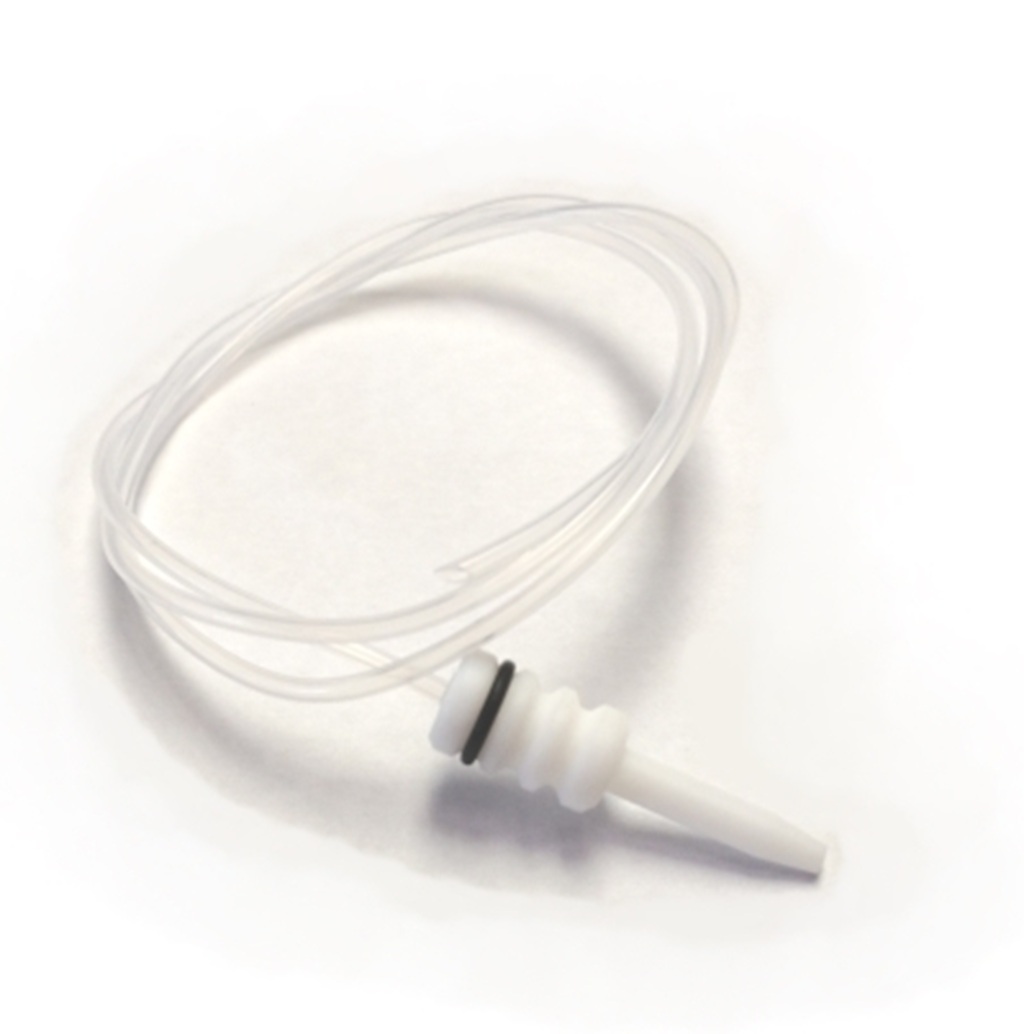
Pyrex, Aerosalt (High-Solids) Nebulizer, 0.7 L/min Ar, 30 psi, 1 mL/min.
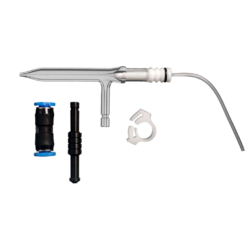
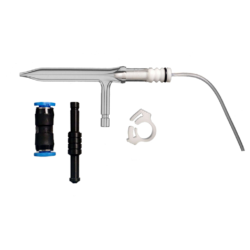
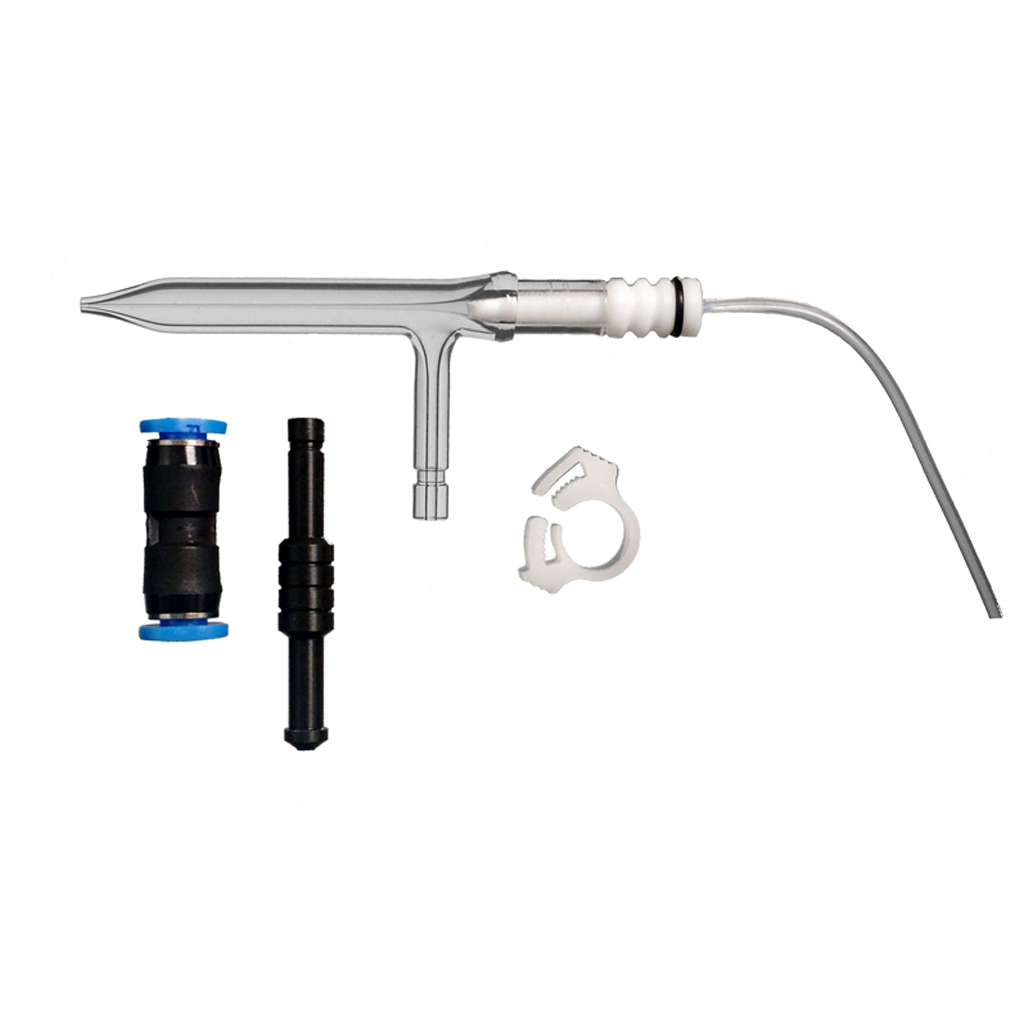
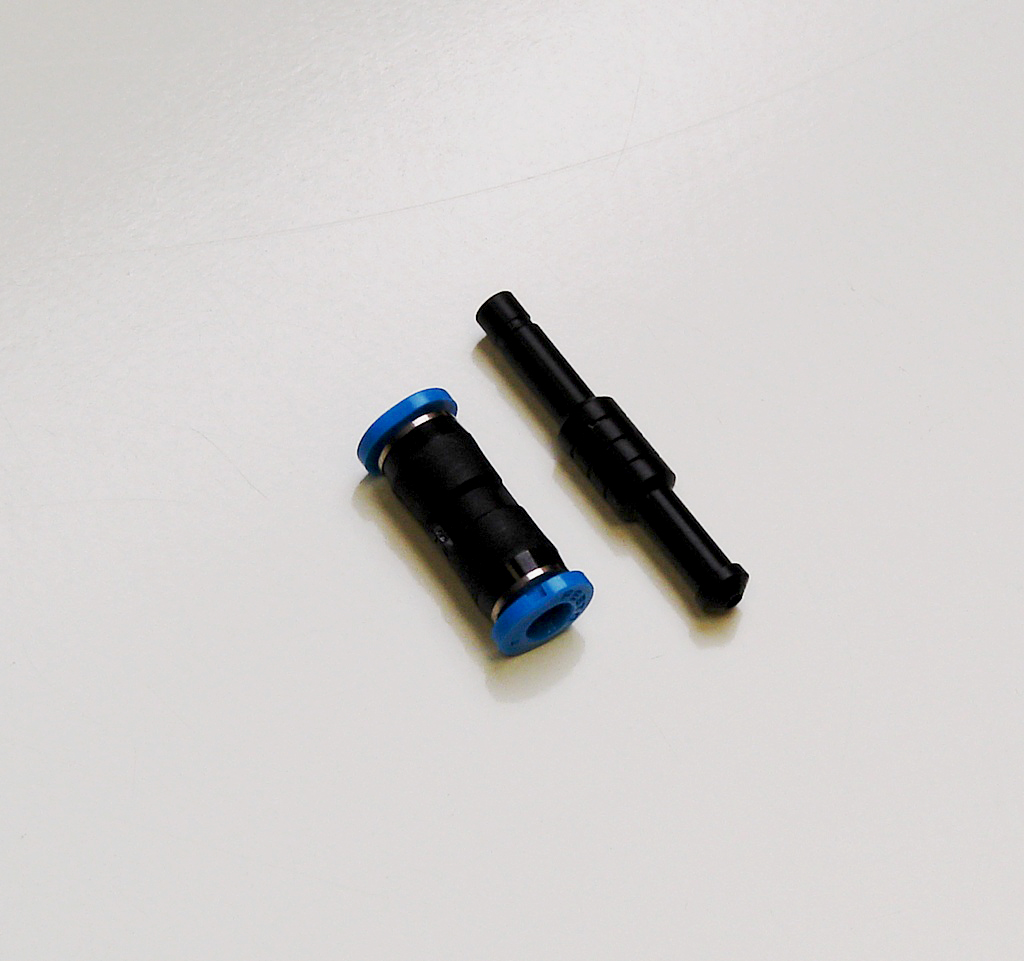
Includes: 1 x Quick Disconnect (QD) Fitting PG500-QD , 1 x Argon Connect (AC) Fitting PG500-AC and 1 x Hose Clip.
Concentric Nebulizer, Aerosalt (High Solids up to 15%).
A concentric nebulizer is a common nebulizer for inductively coupled plasma (ICP) mass spectrometry (ICP-MS) and ICP-OES. It’s called concentric because the sample line is concentric within the gas line.
The nebulizer has a central capillary containing liquid and an outer capillary containing gas. As a result of its structure, the gas pulls the liquid into the gas stream, breaking it into a fine mist as it moves through. This process uses the Venturi Effect, which occurs when a fluid’s pressure decreases as it speeds up while moving through a constricted area.
Application Determines Best Material.
Concentric nebulizers are often recommended for ICP-MS because they produce a fine aerosol with a narrow size range at low flow rates. In fact, they can be made from glass, quartz, or PFA, depending on the application:
- Glass: For routine applications.
- Quartz: Recommended for trace analysis of aqueous or organic samples.
- PFA: Recommended for semi-conductor process chemicals, as it’s inert to HF and self-aspirates.
One potential drawback of concentric nebulizers is that they can clog when running samples with particulates. However, you can avoid issues like this with daily cleanings, especially during heavy use.
Do you have questions about? Call Precision Glassblowing to learn more.
Do you have questions? Visit our FAQs or Technical Information. And, there are several ways to contact Precision Glassblowing. Click here to pick one that works for you.