Description
Pyrex Concentric Nebulizer K-Type 2mL/min 30psi 500-82QDAC
Part Number:
PG500-82QDAC
Cross Reference(s)
Agilent: 2010106800, G8010-60270
GBC: 97-1014-00
Glass Expansion: ARG-07-UC2
Thermo TJA: 13918400
Thermo iCAP: 842312051431
PerkinElmer N0777487
Instrument Compatibility:
Agilent 5100, 5110, 5800, 5900 ICP-OES
Agilent 710, 715, 720, 725, 730, 735 ICP-OES
Agilent Vista Series ICP-OES
Agilent Liberty Series ICP-OES
Agilent MP-AES Systems
Thermo iCAP Series 6000, 7000, 8000 series
Thermo /TJA Iris, Atomscan 16, 25, 61E
Thermo /TJA Intrepid Radial
PerkinElmer Optima 4×00/5×00/7×00/8×00 DV series
PerkinElmer Avio 200/500 ICP-OES series
PerkinElmer ELAN 5000/6×00/9000/DRC
PerkinElmer NexION ICP-MS series
Detail:
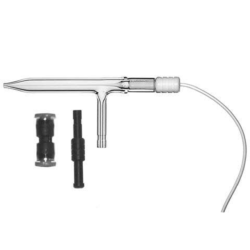
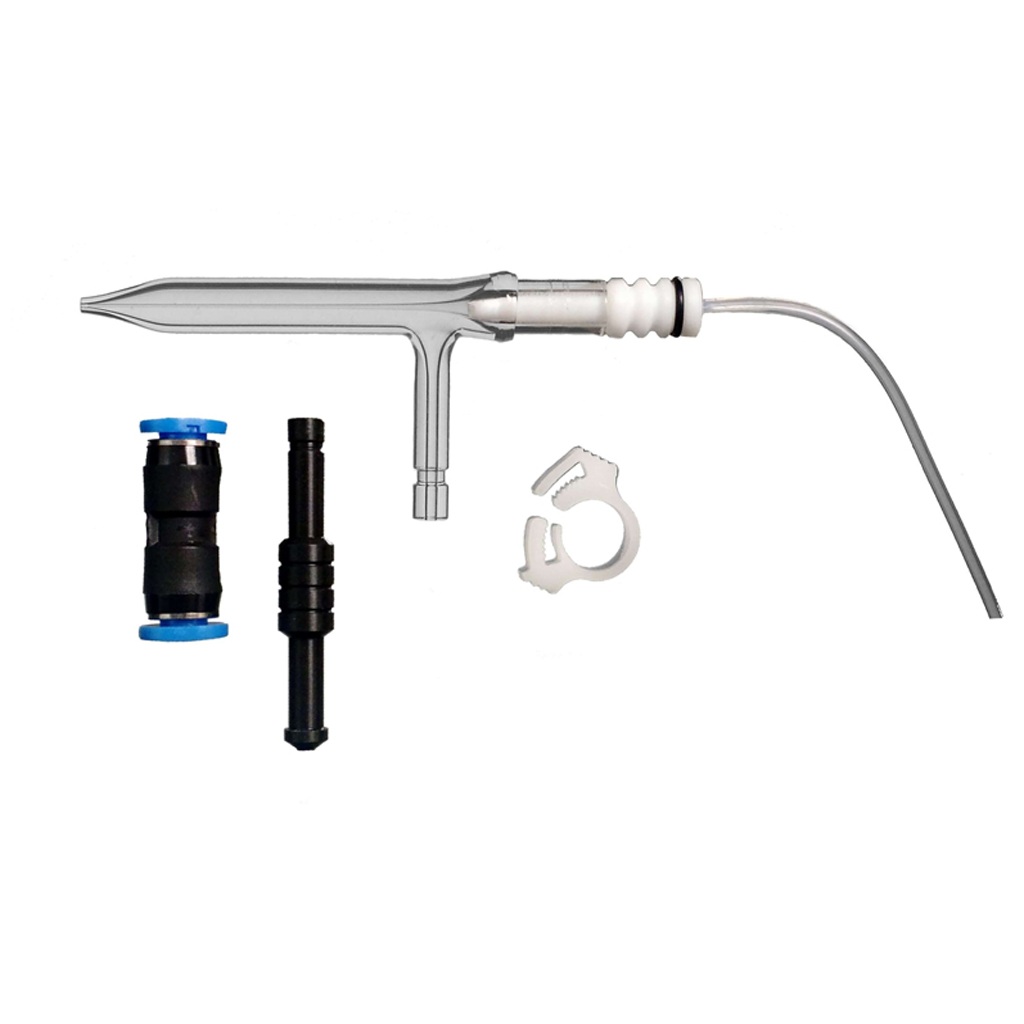
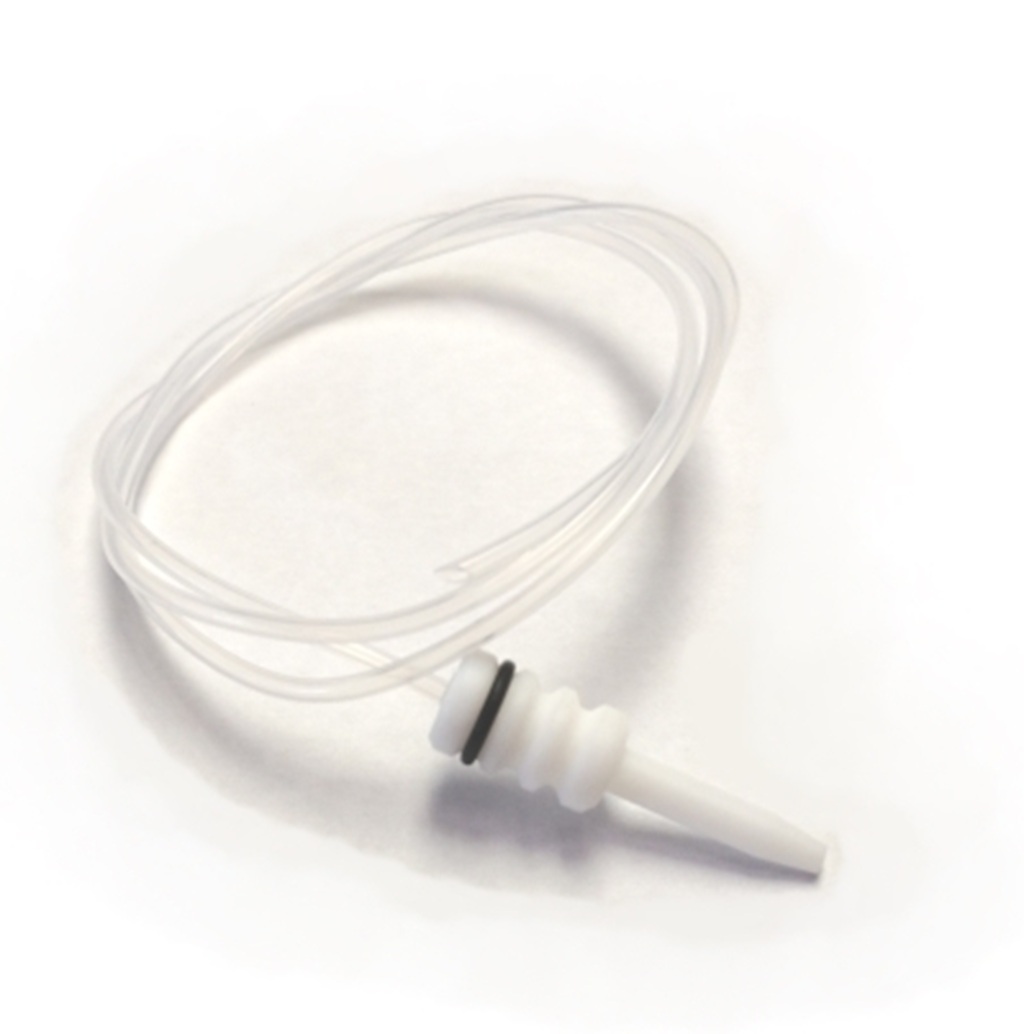
Pyrex, Concentric Nebulizer, K-Type (Ar Low-Flow) , 0.7 lpm Ar, 30psi, 2mL/min
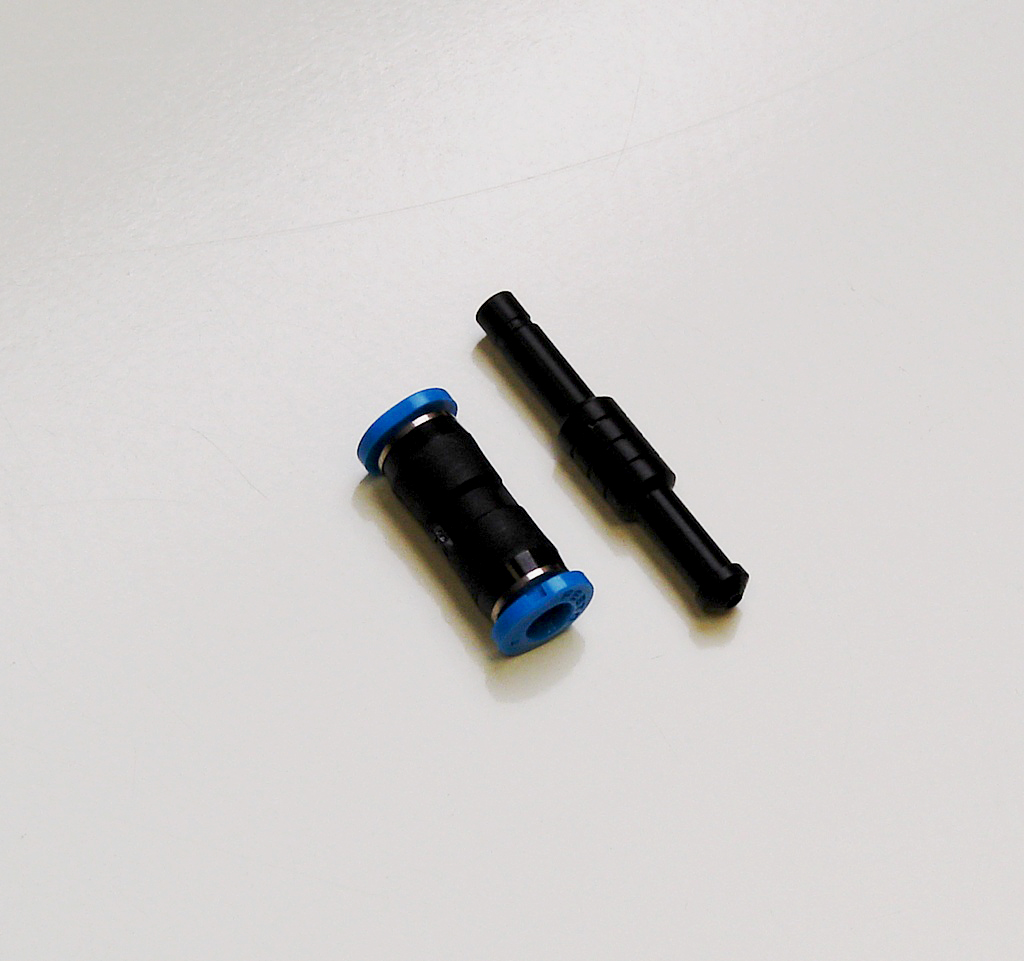
Fittings Included
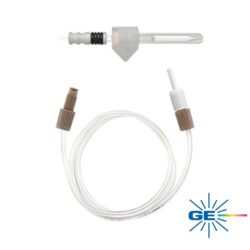
Includes: 1 x Quick Disconnect (QD) Fitting PG500-QD , 1 x Argon Connect (AC) Fitting PG500-AC and 1 x Hose Clip.
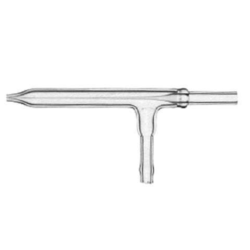
Pyrex Concentric Nebulizer K-Type.
A Concentric Nebulizer – K-type nebulizer is a high-solids nebulizer that is designed to operate at a lower carrier flow and has a smaller internal gas cross-section. It is similar to a C-type nebulizer, but it uses 30% less argon flow. K-type nebulizers are available in quartz and borosilicate glass. Glass nebulizers are often used in ICPMS and ICP, while quartz nebulizers are preferred in ICPMS to reduce the potential for sample contamination
Concentric nebulizers are different because they tend to draw liquid samples as they produce the aerosol. Negative pressure at the point of aspiration causes fluid to flow through the sample line without any external pumping action.
Concentric nebulizers can provide excellent sensitivity and stability, particularly with clean solutions. This product is the Pyrex Concentric Nebulizer K-Type 3mL/min 30psi.
The Function of the Nebulizer in ICP.
The function of the nebulizer in inductively coupled plasma–mass spectrometry (ICP–MS) is to convert a liquid sample into an aerosol for introduction into the plasma.
The aerosol then passes through the spray chamber and into the plasma, where the sample’s atoms emit light wavelengths that the instrument measures to determine their concentrations.
Regarding the three types of concentric nebulizers, recent studies indicate that the aerosol generation mechanism for the A-type nebulizer is more efficient than for C and K-type. C-type and K-type nebulizers function similarly, but K-type nebulizers use 30% less argon flow than C-type nebulizers.
Do you have questions? Contact Precision Glassblowing to learn more.
Do you have questions? Visit our FAQs or Technical Information. And, there are several ways to contact Precision Glassblowing. Click here to pick one that works for you.