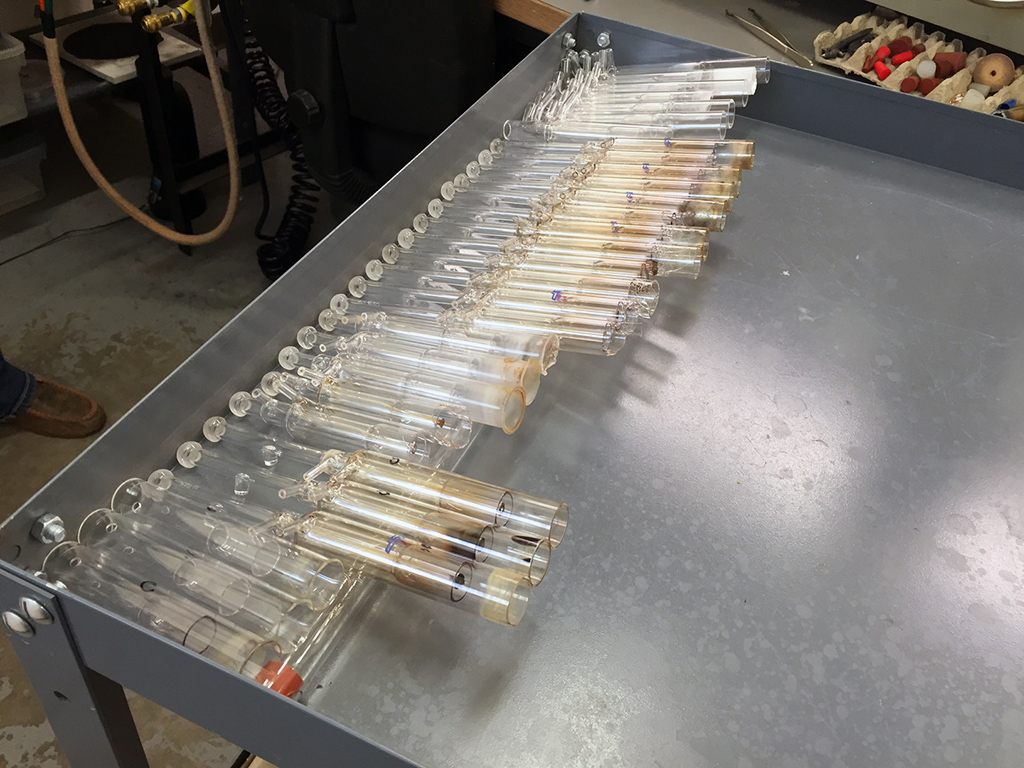
Precision Glassblowing crafts custom quartz components designed to withstand intense thermal and chemical demands in your laboratory. Proper ICP torch servicing ensures reliable analytical performance and extends the operational lifespan of your vital glassware. Regular maintenance prevents unexpected downtime, reduces replacement costs, and maintains peak instrument sensitivity across all routine testing workflows. Follow these standard procedures to keep your scientific torches operating in top condition.
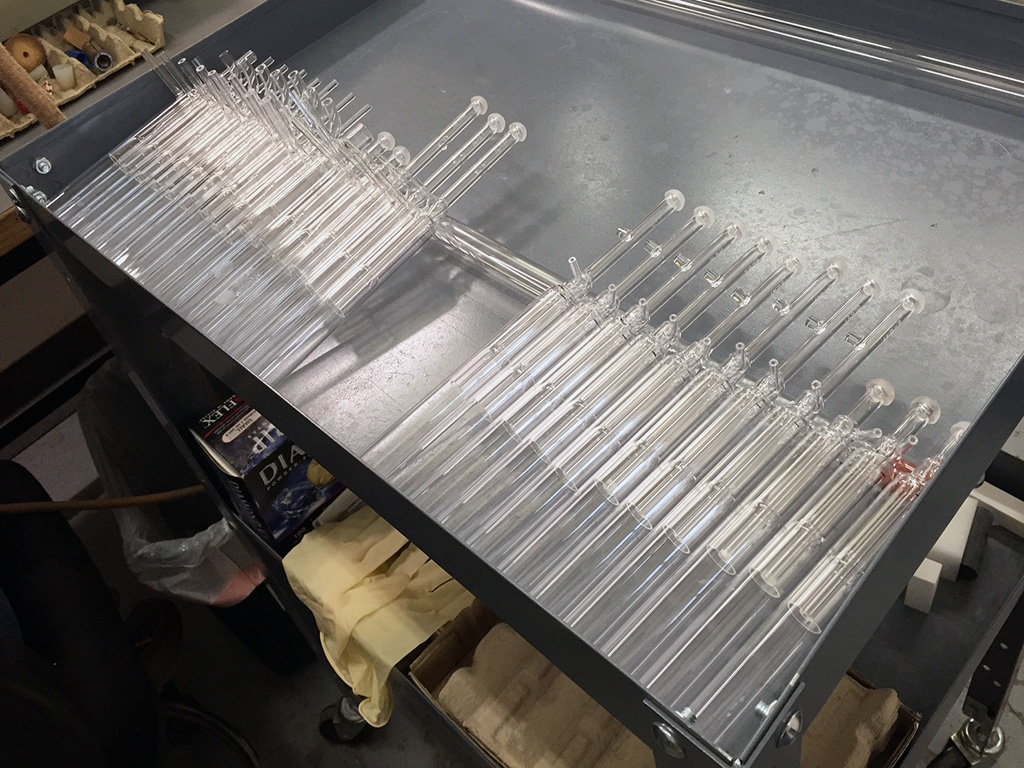
Scientific/ICP Torch Servicing
- Handle with gloves: Never touch the outer shield or inner tube of a quartz ICP torch with bare hands to avoid transferring oils.
- Avoid acid/abrasive cleaning: Do not rinse a dirty torch in water, detergent, or acid, as temperature and solvent shocks will cause breakage.
- Bake for contaminants: If poor performance dictates cleaning, bake the torch in a muffle furnace at 500° C for 30 minutes, followed by a simple rinse with deionized water.
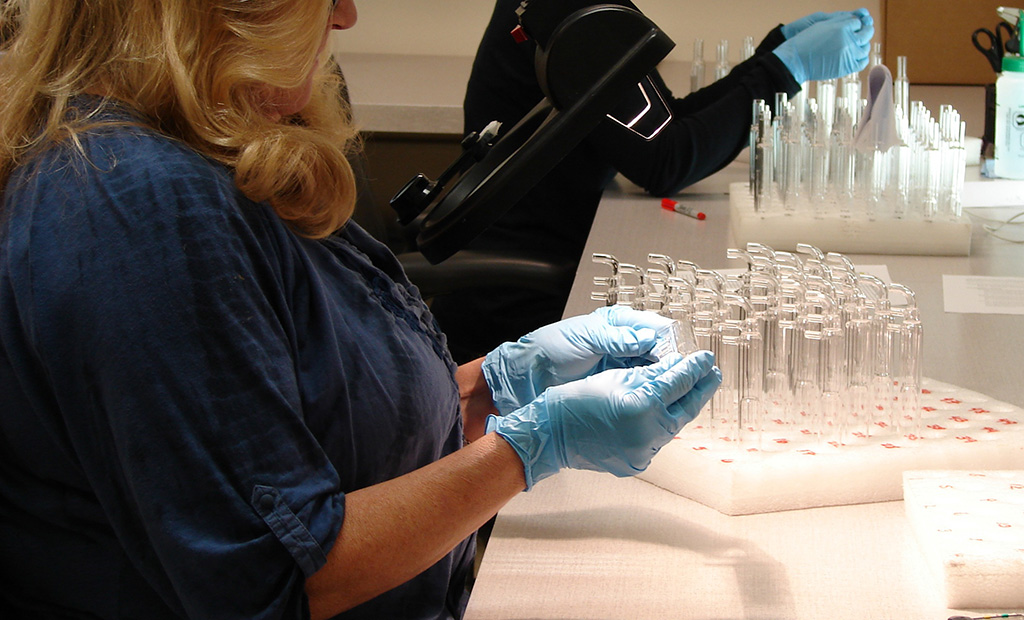
Physical Inspection and Handling Procedures
Always wear clean, lint-free gloves when handling sensitive quartz components to prevent skin oils from transferring onto the surface. Inspect the outer tube, inner tube, and ground joints carefully under bright light before every installation. Look for hairline cracks, chips, or surface scratches that could compromise structural integrity under extreme heat. Store unused torches in padded, dedicated enclosures to protect fragile glass structures from accidental physical impacts.
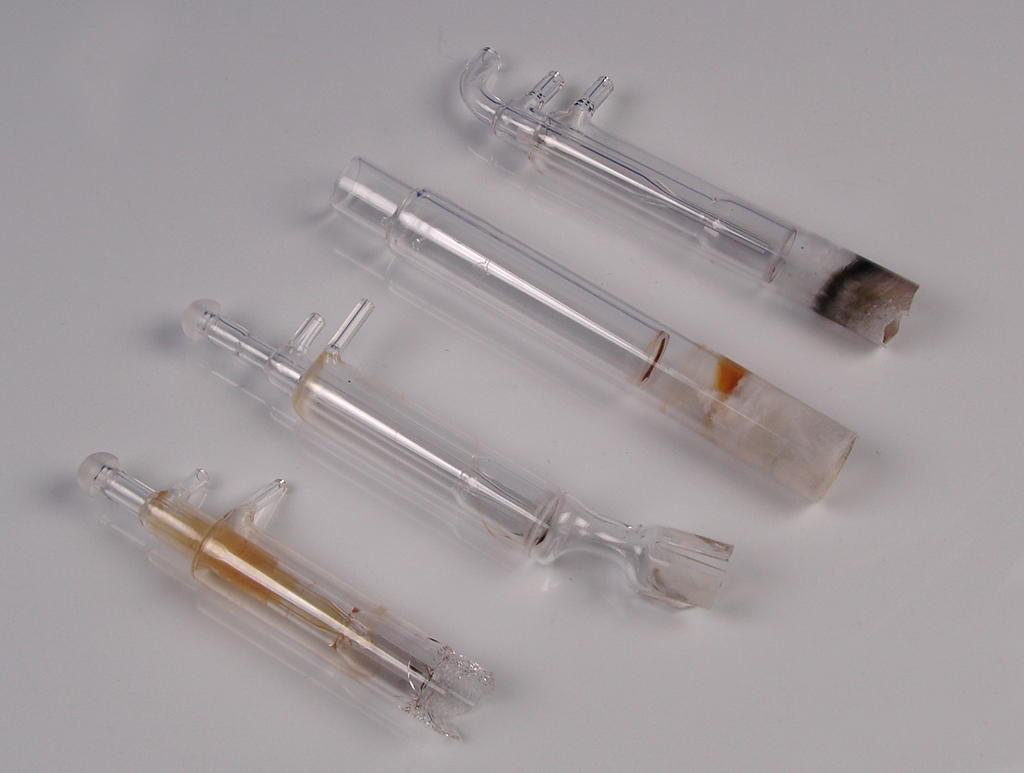
- Inspect for devitrification: Check the outer tube regularly for a white, frosted appearance. This devitrification occurs naturally over time due to high heat and matrix salts, but severe frosting alters the gas flow and requires torch replacement.
- Check the injector alignment: Ensure the internal injector tube is perfectly centered within the outer tubes. A misaligned or chipped injector alters the sample aerosol path, causing poor precision and rapid torch degradation.
Checking for Quartz Devitrification
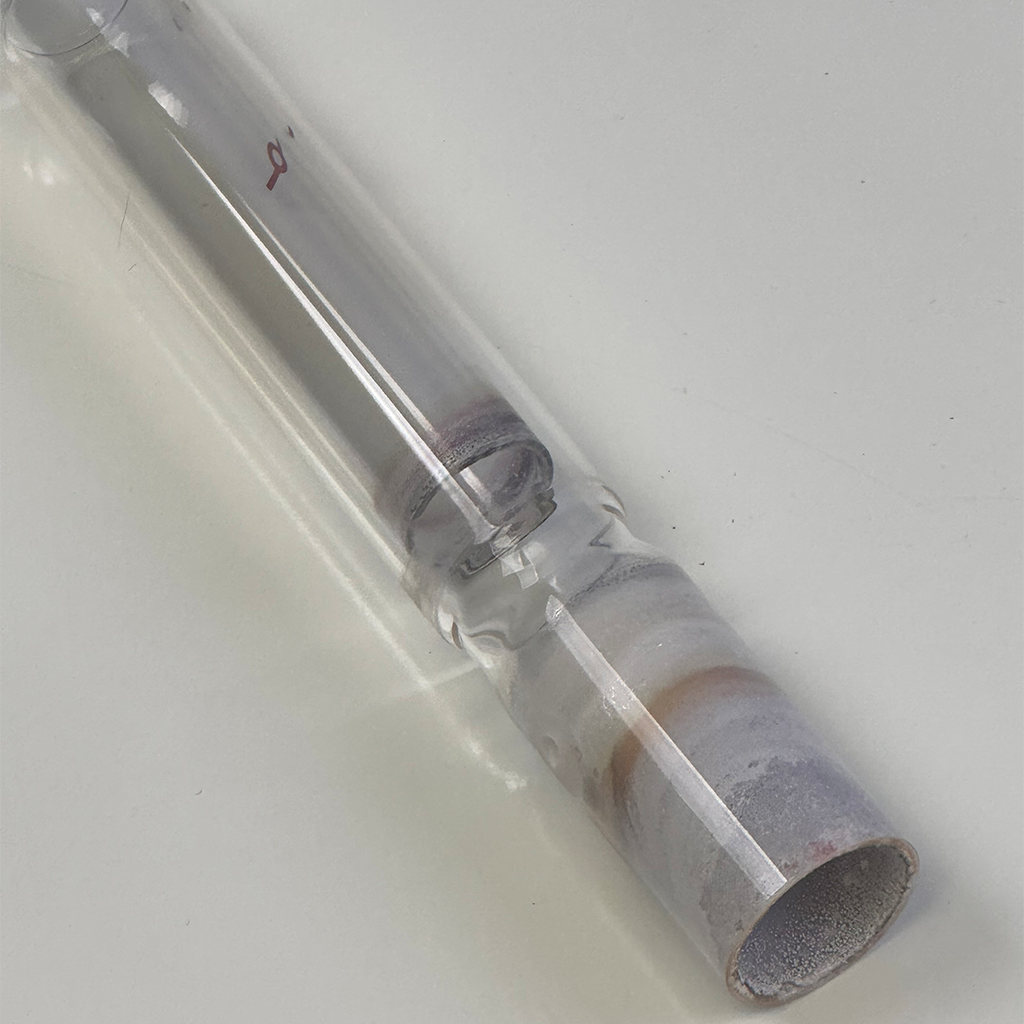
Thermal stress and sample contaminants cause devitrification, which appears as a cloudy or hazy white discoloration on the quartz surface. Inspect the top rim of the outer tube regularly for these distinct structural changes in the glass matrix. While mild hazing is normal after extended use, severe devitrification causes brittle areas that easily crack under operational heat. Replace the torch immediately when surface roughness or heavy cloudiness begins to distort plasma stability.
Quartz Devitrification and Repair Candidate Evaluation
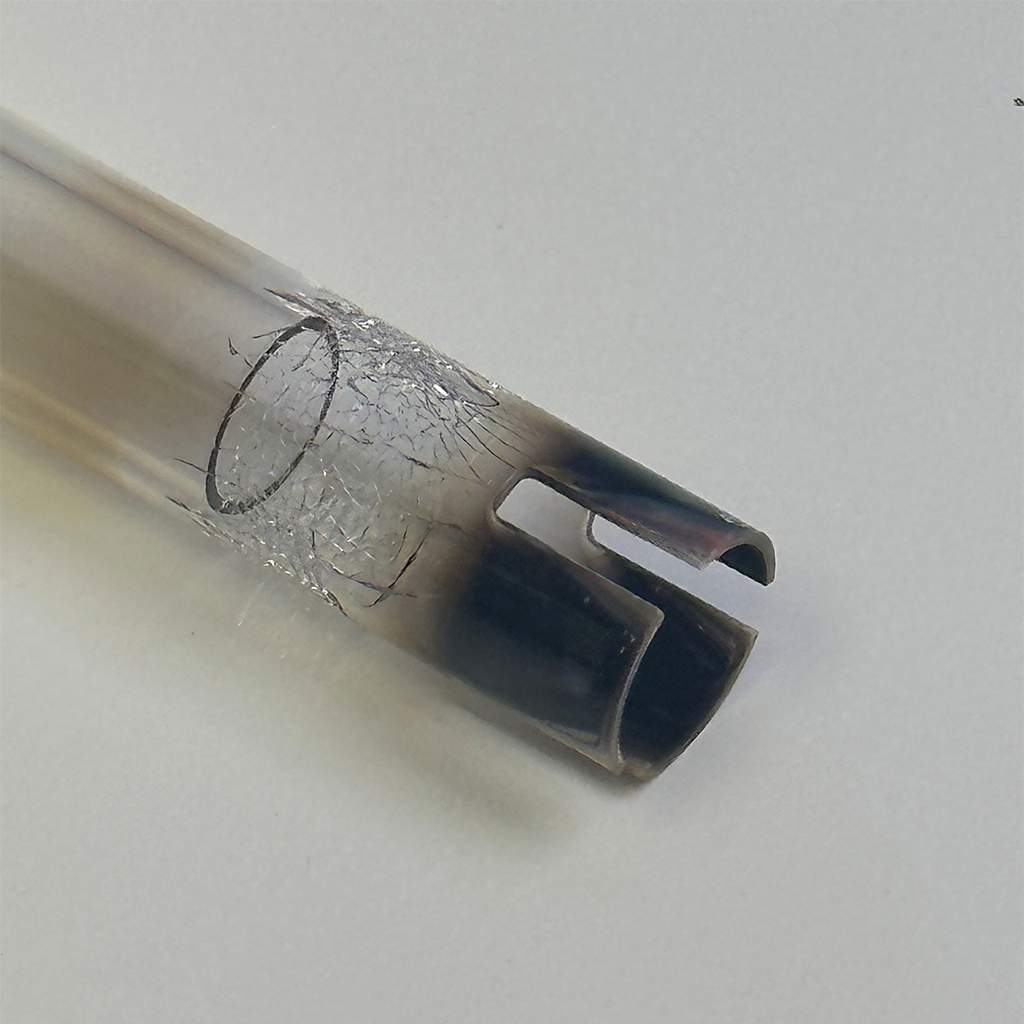
Thermal stress and alkali contaminants cause devitrification, where clear amorphous quartz reorganizes into a cloudy, crystalline structure. Inspect the outer tube regularly for hazy patches or surface roughness that indicate localized crystallization and structural weakening. Evaluating whether a devitrified torch is a candidate for rebuilding depends on where the crystallization occurs. Precision Glassblowing can rebuild torches with outer shield devitrification by fusing a new quartz sleeve onto the undamaged body. However, torches with inner shield crystallization or melted injectors are irreparable and require complete replacement. Laboratories can contact the expert team at Precision Glassblowing to submit photos and determine if their torch is a candidate for cost-effective repair.
Advanced Cleaning Techniques for Scientific Torches
Soak contaminated torches in a diluted nitric acid bath for several hours to dissolve metallic residues and organic buildup. Avoid using harsh abrasive materials, metal brushes, or aggressive scrubbers that permanently scratch delicate quartz surfaces. Rinse the components thoroughly with high-purity deionized water to remove all traces of cleaning acid and dissolved salts. Allow the torch to air-dry completely in a dust-free area before reinstalling it into your instrument.
Advanced Cleaning Protocols
- Acid soaking rules: For routine matrix deposits, soak the torch in a 10% to 20% nitric acid (\(HNO_{3}\)) solution for several hours. Avoid using hydrofluoric acid (\(HF\)) on quartz torches, as it aggressively dissolves the silica structure.
- Organic residue removal: If you analyze organic solvents, carbon soot can build up on the outer tube. Soak the torch in a specialized surfactant or clean it using an ultrasonic bath for 5–10 minutes, ensuring the torch does not vibrate against hard surfaces to prevent cracking.
- Thorough drying: Never install a wet or damp torch into an ICP instrument. Water droplets will vaporize violently when the plasma ignites, instantly shattering the quartz or shorting out the RF coil. Air-dry the torch overnight or use a clean stream of compressed nitrogen gas.
Ensuring Proper Injector Alignment
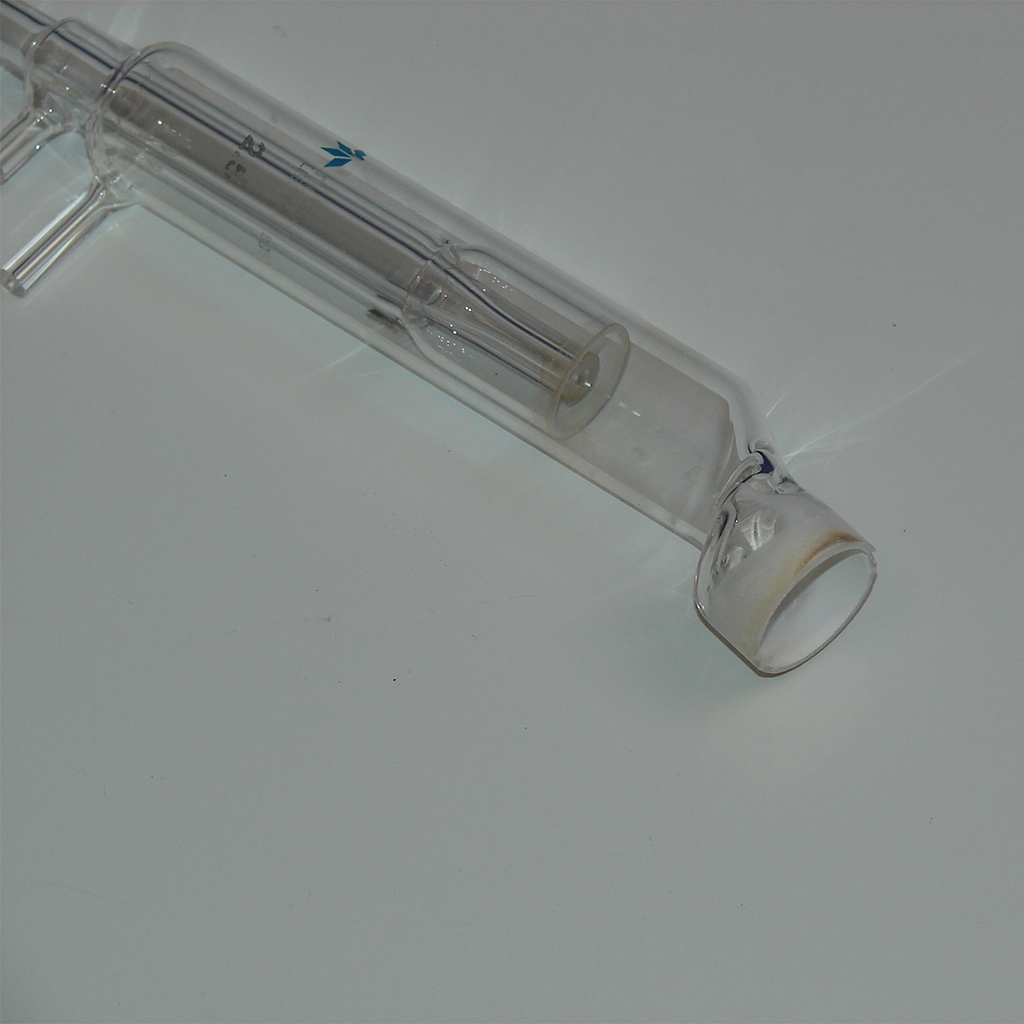
Precision injector alignment remains critical for maintaining a stable plasma core and achieving accurate analytical sample delivery. Verify that the injector tube sits perfectly centered within the intermediate tube without touching the surrounding quartz walls. Check the alignment rings and O-rings for wear, replacing degraded seals that allow the injector to wobble or shift. Precise axial alignment prevents uneven heating, erratic plasma shapes, and premature localized thermal damage.
Installation and Safe Daily Operation
Position the torch carefully into the mounting bracket without forcing fitted joints or overtightening supporting clamps. Verify that argon gas lines connect securely to prevent leaks that degrade plasma stability or cause thermal hot spots. Monitor plasma color and stability during initial ignition to detect immediate signs of sample deposition or gas flow restrictions. Consistent care and routine inspection ensure your precision glassware delivers reliable analytical results day after day.
Installation and Operational Settings
- Verify RF coil alignment: Ensure the torch is positioned exactly inside the copper radiofrequency (RF) load coil without touching it. Contact with the coil causes electrical arcing, which destroys both the torch and the RF generator.
- Optimize gas flows: Maintain strict monitoring of your coolant (outer) gas and auxiliary (intermediate) gas flow rates. Running an ICP with insufficient coolant gas will cause the outer quartz shell to melt or deform within seconds.
- Allow structural cooling: Do not disma-n/tle or touch the torch immediately after extinguishing the plasma. Wait at least 15 minutes for the instrument housing and torch assembly to reach ambient temperature.