Description
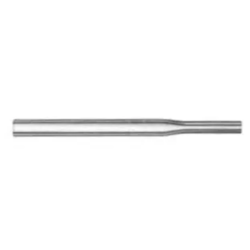
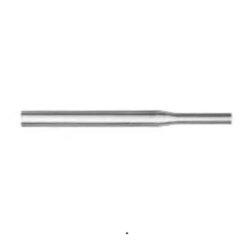
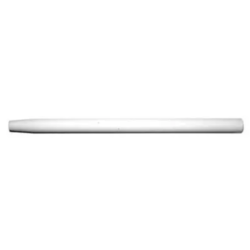
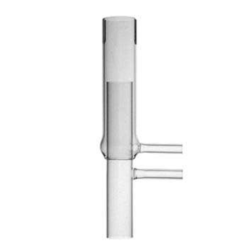
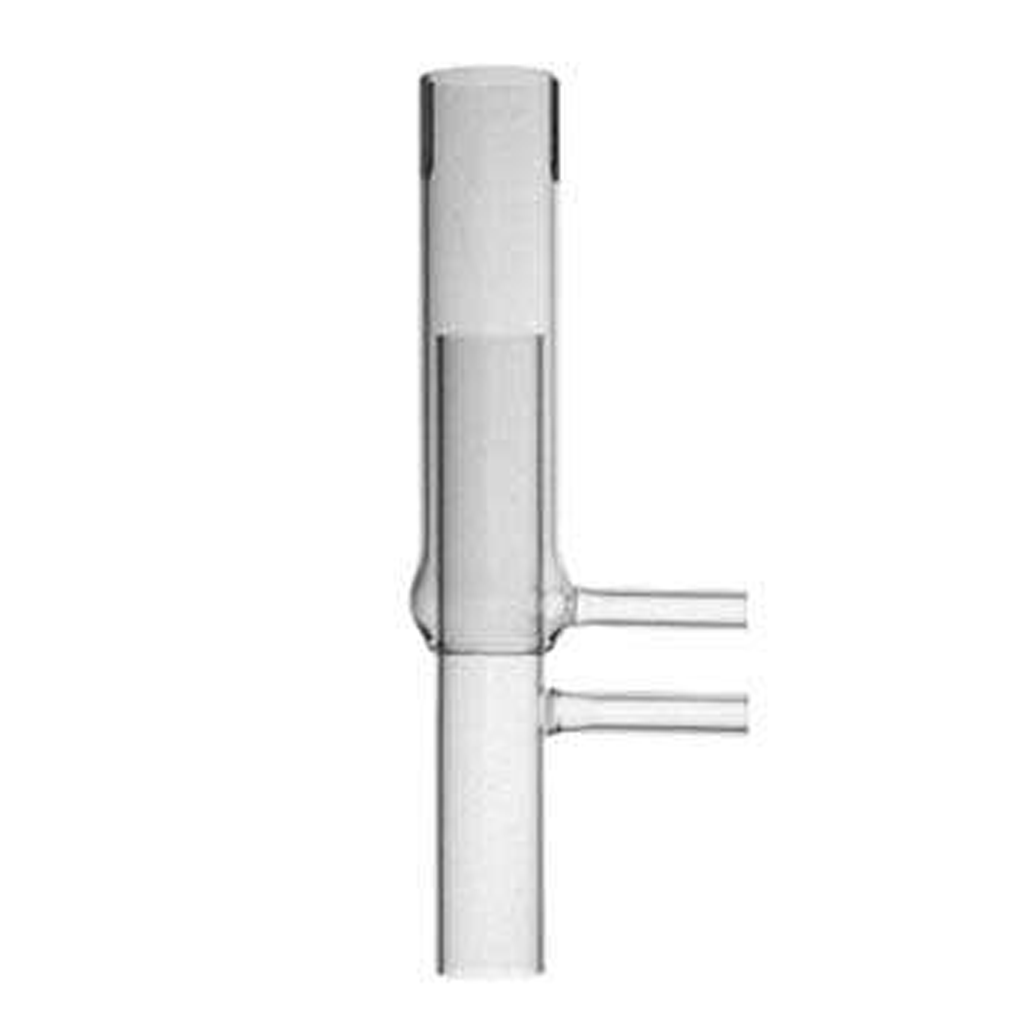
Demountable DV Torch 2 Slot 310-12
Part Number:
PG310-12
Cross Reference(s)
None Available
Instrument Compatibility:
PerkinElmer Optima 3100 DV
PerkinElmer Optima 3200 DV
PerkinElmer Optima 3300 DV
Torch Detail:
Quartz, Dual View (DV), Torch Body, 2-Slot, Demountable
What is the Role of the ICP Torch?
A plasma is an ionized gas, consisting of positively charged ions and free (unbound) electrons. The role of the plasma (ICP) in ICP-MS is to ionize the sample. In contrast to so-called ‘soft’ ionization sources in other forms of mass spectrometry, the ICP is a ‘hard’ ionization technique because it completely atomizes most molecules in the sample.
ICP-MS instruments use an argon plasma, although helium plasma is also an option. Although there are several advantages to using helium, argon is the gas of choice since the cost of helium is prohibitive.
Features of Torch 2 Slot Demountable 310-12.
Demountable Torch
The D-Torch is a robust and higher-performing alternative to both a single-piece and a semi-demountable quartz torch. The demountable design offers several benefits, including ease of maintenance, flexibility in configuration, and the ability to customize the torch setup for specific analytical requirements. Additionally, it allows for thorough cleaning and removal of any sample residues or contaminants that may accumulate during analysis.
2-Slot Torch
A two-slot ICP torch is a component used in ICP-OES (Optical Emission Spectroscopy) systems. Therefore, it’s designed with two slots to accommodate different viewing configurations for the plasma. This is where the sample is ionized and emits light at characteristic wavelengths that can be measured.
The two-slot torch typically refers to a torch with a slot for radial viewing, which can be part of a dual-view system allowing both radial and axial viewing. This design helps in handling tough samples with less cleaning and a longer torch lifetime. Some two-slot torches are also semi- or fully demountable, which can reduce operating costs by enabling parts like the outer tube or the injector to be replaced separately.
- Axially viewed systems, where the torch is oriented horizontally and viewed end-on, offering greater sensitivity.
- Radially viewed systems, where the torch is vertical and viewed from the side. This is the preference for complex high matrix samples and volatile organic solvents because the vertical orientation reduces matrix or carbon buildup on the torch.
Do you have questions? Call Precision Glassblowing to Learn More.
Do you have questions? Visit our FAQs or Technical Information. And, there are several ways to contact Precision Glassblowing. Click here to pick one that works for you.