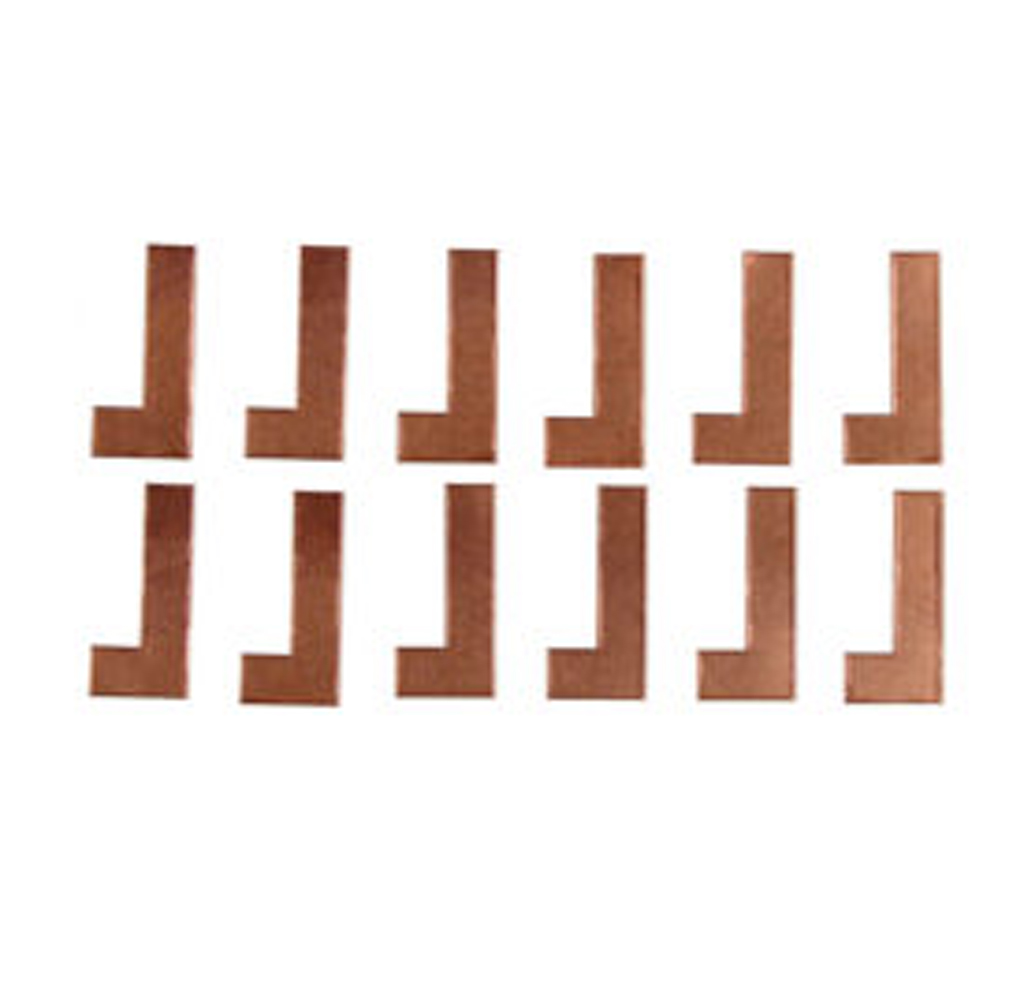
Description
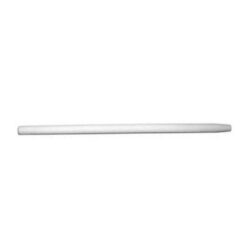
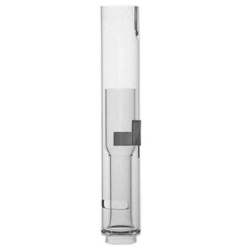
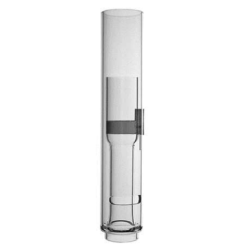
L Shape Copper Foil for Torches – 12/PKG – 310-21
Part Number:
PG310-21
Cross Reference(s)
PerkinElmer: N0781097
Instrument Compatibility:
PerkinElmer Optima 8X00 DV Series
Detail:
Copper Foil for Torch Body, for PerkinElmer (12/pkg)
Why is Copper Foil for Torches Important in ICP?
- Plasma Generation: First, the RF generator sends a high-frequency current through the copper coil. As a result, this process induces a magnetic field around the torch’s central tube.
- Argon Introduction: Next, add an inert gas like argon to the torch. It flows through the coil, and the oscillating magnetic field causes the argon atoms to become ionized and form plasma.
- Sample Introduction: Then, the sample, typically in liquid or solution form, goes into the plasma.
- Cooling: Finally, the copper coil, and sometimes the entire torch, are water-cooled. This prevents overheating and damage from the intense heat of the plasma.
In essence, the copper foil, in the form of a coil, acts as the interface between the RF generator and the plasma. By doing so it enables the creation of the high-temperature environment necessary for analysis.
Do you have questions about? Call Precision Glassblowing to Learn More.
For common questions and support, visit our FAQs or Technical Information. Plus, there are several ways to contact Precision Glassblowing to speak with a real person. Click here to pick one that works for you.