Description
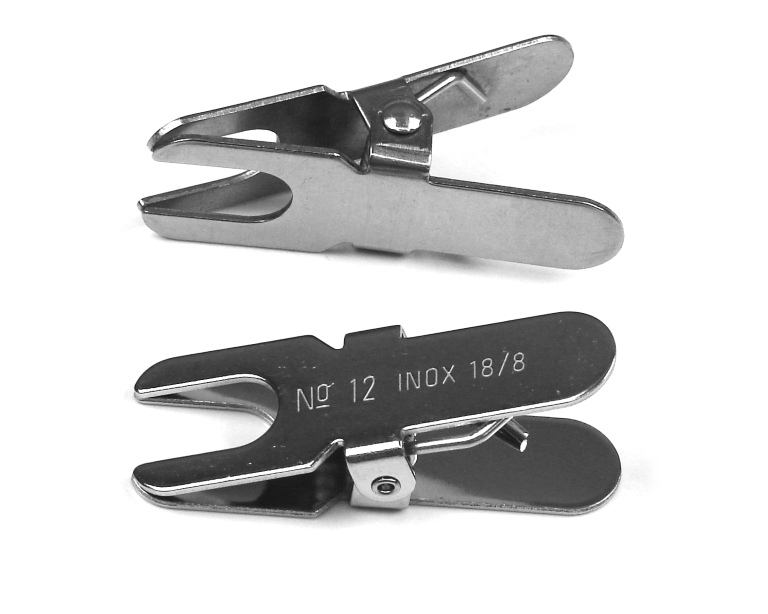
Clamp – Stainless Steel – 12/5 – 2/PKG – 900-53
Part Number:
PG900-53
Cross Reference(s)
Agilent: G1833-65430
Instrument Compatibility:
Agilent ICP-MS Series
Agilent / HP 4500
Detail:
Stainless Steel Clamp fits 12/5 ball and socket, 2 clamps per package
In ICP a stainless steel clamp is typically used to secure the sample introduction tubing to the nebulizer within the plasma torch. As a result, this ensures a stable and consistent flow of the sample aerosol into the plasma for analysis. Its stainless steel construction provides resistance to corrosion from the potentially harsh chemicals in the sample stream.
Key points about stainless steel clamps OEM# G1833-65430
Secure connection
The clamp tightly holds the tubing to the nebulizer, preventing leaks and ensuring accurate sample delivery.
Corrosion resistance
Stainless steel is chosen for its ability to withstand the corrosive effects of various chemicals often encountered in ICP samples.
Sample introduction system
This clamp is a crucial component of the sample introduction system, which plays a vital role in the overall accuracy of ICP analysis.
Stainless Steel
Clamps used in ICP systems are often made of stainless steel. Stainless steel is the select material due to its excellent corrosion resistance, durability, and ability to withstand high temperatures and harsh environments. These properties are essential for maintaining the integrity and performance of the ICP system.
Replacement Frequency
Whether to replace clamps depends on their usage and their environmental exposure. Stainless steel clamps are generally durable and long-lasting, but they inspect them regularly for signs of wear or damage. In harsh conditions, such as exposure to corrosive chemicals, they may need to be replaced more frequently.
Do you have questions? Call Precision Glassblowing to Learn More.
Do you have questions? Visit our FAQs or Technical Information. And, there are several ways to contact Precision Glassblowing. Click here to pick one that works for you.